
 Artificial Intelligence
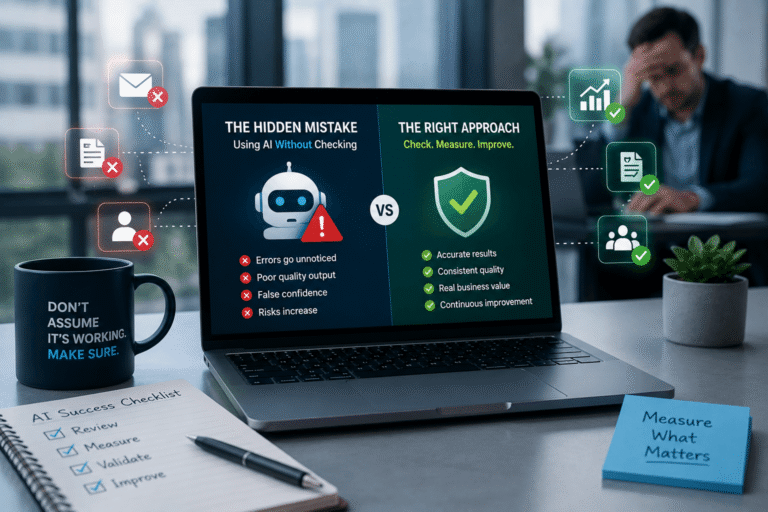
The AI Mistake Most Businesses Don’t Realize They’re Making
AI Strategy Most businesses using AI think they’re doing it right. Tools…
12 Aug, 2026
In 2025, mobile apps are no longer just about convenience – they’re about creating smarter, more immersive, and highly personalized experiences. Two technologies leading this transformation are Artificial Intelligence (AI) and Augmented Reality (AR). Together, they are redefining what’s possible in mobile apps across industries like e-commerce, healthcare, education, and entertainment.
As user expectations continue to evolve, businesses are turning to mobile app development services that offer more than just functional apps. The demand is now for apps that think, learn, adapt, and visually engage users in real-time. That’s where AI and AR come in.
Artificial Intelligence has become a core driver in custom mobile apps, enabling applications to deliver super-personalized experiences. Here’s how:
AI helps apps anticipate user behavior, offering recommendations or actions even before users think of them. Think of e-commerce apps suggesting purchases based on past behavior or fitness apps adjusting workout plans in real-time.
AI-powered bots now handle everything from customer service to mental health support. These virtual assistants are more natural and human-like, thanks to advancements in NLP (Natural Language Processing).
Facial recognition for security, voice commands for control, and image analysis for social media filters – AI makes these features seamless and accurate.
To integrate such features, companies now rely heavily on expert AI development service companies and AI/ML service providers that bring in the latest models, frameworks, and APIs tailored for mobile platforms.
AR has moved from being a “nice-to-have” to a “must-have” feature in modern apps. With advancements in ARKit, ARCore, and 5G, AR apps are now more responsive and immersive than ever.
Virtual try-ons, 3D product visualization, and interactive store walkthroughs are becoming standard features. Brands using AR see higher engagement and conversion rates.
AR makes learning interactive—think of apps that allow medical students to visualize organs in 3D or construction apps that simulate equipment operation.
Games like Pokémon Go set the tone, but now AR is deeply embedded in social apps, storytelling platforms, and even live performances.
To build these kinds of apps, companies need strong custom mobile app development teams that understand how to combine design, tech, and AR features smoothly.
The following examples illustrate how AI and AR are transforming mobile apps across various sectors:
AI-driven e-commerce apps are enhancing product discovery by recommending products based on user preferences. With AR, consumers can try on clothes virtually or visualize products in 3D, creating a more immersive shopping experience.
In healthcare, AI-powered apps offer symptom checkers, virtual consultations, and personalized health plans. AR is enhancing medical training, allowing doctors and students to visualize complex surgeries in 3D for a better understanding of anatomy and procedures.
AI in education apps creates personalized learning experiences, real-time feedback, and automated grading. AR takes education a step further by allowing students to explore subjects interactively, making complex concepts more accessible and engaging.
Streaming platforms use AI to recommend movies, shows, and music based on user preferences. Meanwhile, AR enhances social media platforms, enabling users to create immersive content with interactive filters, bringing new dimensions to social interactions.
AI-driven travel apps predict delays, suggest personalized itineraries, and provide real-time updates. AR improves navigation by overlaying real-time directions on the user’s environment for better guidance.
As AI and AR technologies become more complex, businesses are increasingly partnering with niche AI/ML service providers and AI development service companies. These partners bring specialized knowledge in:
By collaborating with experts, brands can ensure their mobile apps are not only innovative but also scalable, secure, and aligned with user expectations.
Artificial Intelligence and Augmented Reality aren’t just buzzwords anymore – they’re changing how we use apps in real life. Whether you’re launching a new idea or upgrading your existing app, this is the perfect time to tap into the power of smart, interactive technology.
Looking for a custom app that stands out? Stigasoft helps you to understand AI, AR, and the future of mobile.
Let us help you create an app that stands out in today’s competitive market.
Artificial IntelligenceAI Strategy Most businesses using AI think they’re doing it right. Tools…
12 Aug, 2026 Artificial Intelligence
AI Strategy & Business Transformation AI tools are becoming easier to access,…
12 Aug, 2026 Generetive AI
Planning to use generative AI in your business? This rapidly evolving technology,…
24 Apr, 2025Global Clients Worldwide