
 Artificial Intelligence
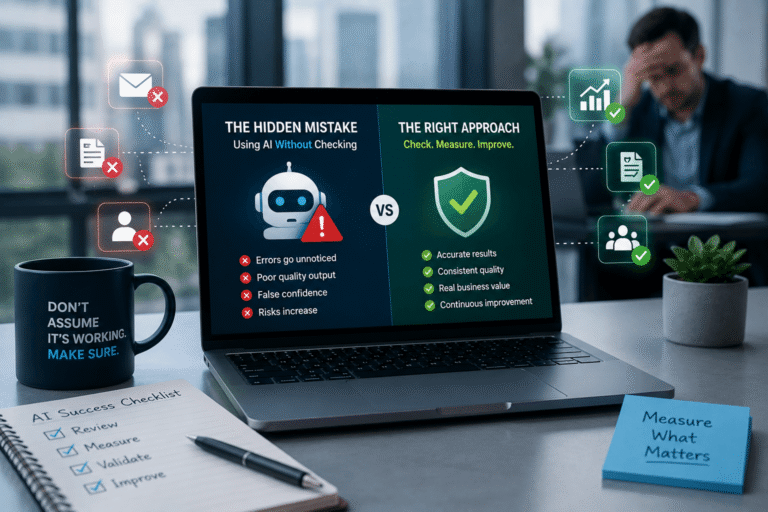
The AI Mistake Most Businesses Don’t Realize They’re Making
AI Strategy Most businesses using AI think they’re doing it right. Tools…
12 Aug, 2026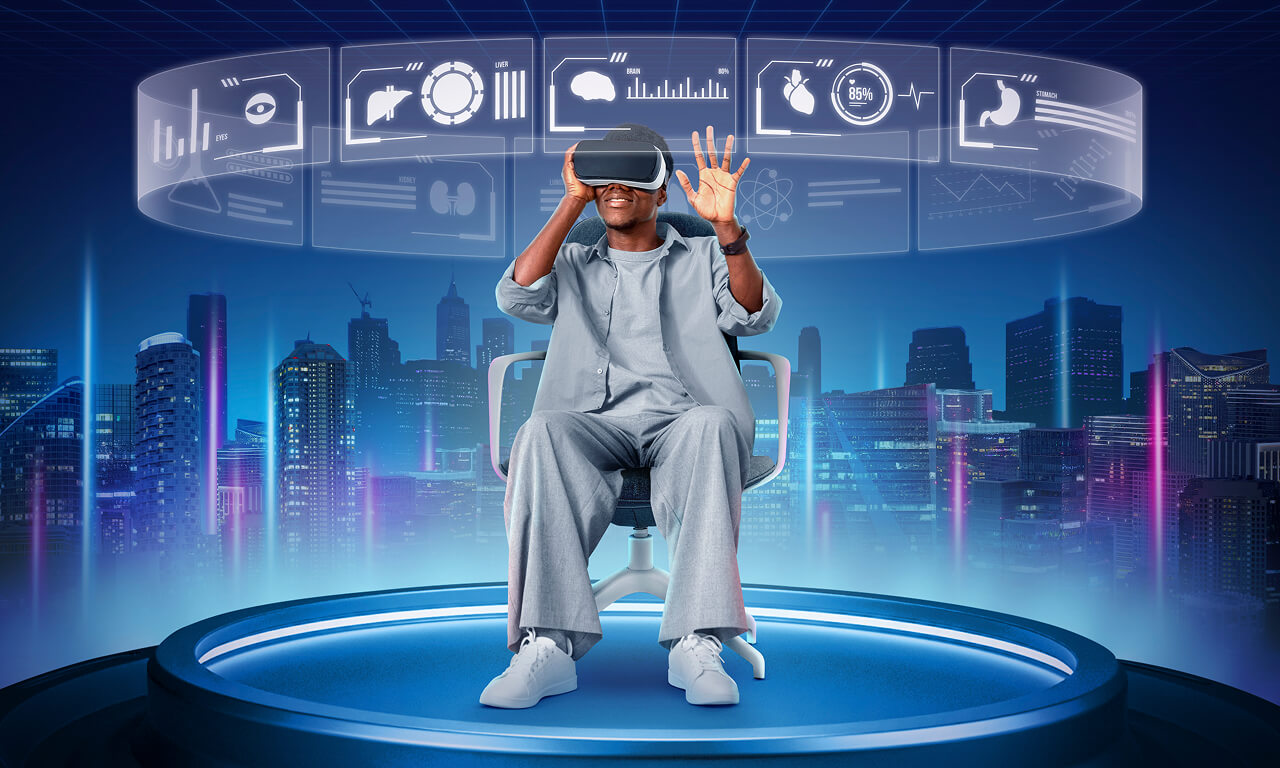
The idea of the Metaverse is quickly catching on in the tech world, and it’s not just a passing trend – it’s the next generation of how we’ll interact with digital spaces. This evolving 3D virtual world is turning more real, having limitless opportunities for enterprise, entertainment, education, and social interaction. Let’s dive into the world of 3D Metaverse application: their mechanism, challenges, and how Stigasoft can create a position to leverage this futuristic technology.
3D Metaverse is a collection of interconnected virtual worlds where users can interact with one another and digital environments in real time. The Metaverse is the next internet beyond 2D experiences of the internet. It may be entirely immersive and often requires VR or AR devices. Users exist as avatars, moving thoroughly into dynamic spaces where virtual concerts may take place, immersive retail, through collaboration with colleagues at a distance.
At its core, the Metaverse is powered by technologies ranging from blockchain, VR/AR, and artificial intelligence AI to gaming engines Unreal and Unity. These all combine in an effort to enable the continuous synchronized experience of millions of users at a time.
The 3D Metaverse works in a way that virtual worlds can interact and connect seamlessly with other virtual worlds, switching users from one experience into another. Such as, you are in a virtual board room for work, but get whisked away directly to a virtual concert venue to watch your favorite artist live, all within the Metaverse.
The other important thing about enablement into the Metaverse is that it depends extensively on heavy computing and 3D development tools. Platforms like NVIDIA’s Omniverse and Epic Games’ Unreal Engine build realistic virtual worlds and open them to multi-device access. Interoperability, meaning that assets and identities move free over platforms, is the future of the Metaverse, just like we surf the internet today.
Although gaming has driven much of the early adoption of the 3D metaverse application, it stretches into a wide variety of industries. Some of the key sectors where it is applied include:
Virtual immersive stores let customers browse and buy products in 3D virtual environments. Retailers can sell virtual goods or even connect physical-to-virtual experiences using QR codes.
Virtual classrooms can build virtual learning environments where students interact with 3D models, simulations, or even reconstructions of historical entities-a more interactive way of learning.
Surgeons are using AR displays in performing remote, complicated operations effectively, while digital twins of human anatomy can help future medical professionals.
In corporate terms, the Metaverse allows advanced remote collaboration on virtual office spaces. Employees can work together on projects in a completely immersive environment, and productivity sees a significant hike.
While the Metaverse does hold a few promises, there is still so much to overcome. Some of them are as follows:
Because the sharing of personal data in virtual environments is increasing, so do the concerns regarding privacy and data breaches. Security Concerns to Consider as the Metaverse Expands: Businesses will need to implement strong security measures
The concept of the Metaverse being completely uniform is very far from realization. This means that the various platforms are not yet fully interoperable. Users cannot move their avatars or assets across different virtual worlds.
The computing power and high-speed internet required for the Metaverse are pretty high. While the headsets are getting better, comfortability and accessibility remain a challenge before they can be worn in daily life.
For enterprises to take the Metaverse into operation, there will be a few strategic steps. That being said, note that some of these steps may include:
It’s a space where companies can create digital twins of their physical showrooms, offices, or trade shows. This approach helps them reach new customers and collaborate with global teams.
Evaluate ways in which your company will integrate NFTs into your economy. These act like digital ownership that could be a virtual good, land, or Title to services within the Metaverse.
Gen Z consumers are already getting familiar with virtual realities and cryptocurrencies. Any enterprise that supports these customers will gain an advantage in the Metaverse.
This really places the tech company Stigasoft in a unique position. They are well-placed to guide businesses through the transition into the 3D Metaverse. From consulting services, development of virtual space, and integration of blockchain technologies, this company can take a client by the hand and walk them right into the heart of this next era of digital interaction.
The 3D Metaverse is the future of digital interaction—a space where physical and virtual worlds blend in new, previously unimagined ways. Development is still in its early stages. The Metaverse’s potential spans a wide range, from gaming and e-commerce to education and corporate collaboration. Using a 3D App Builder, Stigasoft can leverage this technology to help businesses explore new realities, improve customer experience, and innovate how we work and play in the digital age. The Metaverse is continuously evolving. Those who engage with it early will be at the leading edge of this new reality.
Artificial IntelligenceAI Strategy Most businesses using AI think they’re doing it right. Tools…
12 Aug, 2026 Artificial Intelligence
AI Strategy & Business Transformation AI tools are becoming easier to access,…
12 Aug, 2026 Generetive AI
Planning to use generative AI in your business? This rapidly evolving technology,…
24 Apr, 2025Global Clients Worldwide