
 Artificial Intelligence
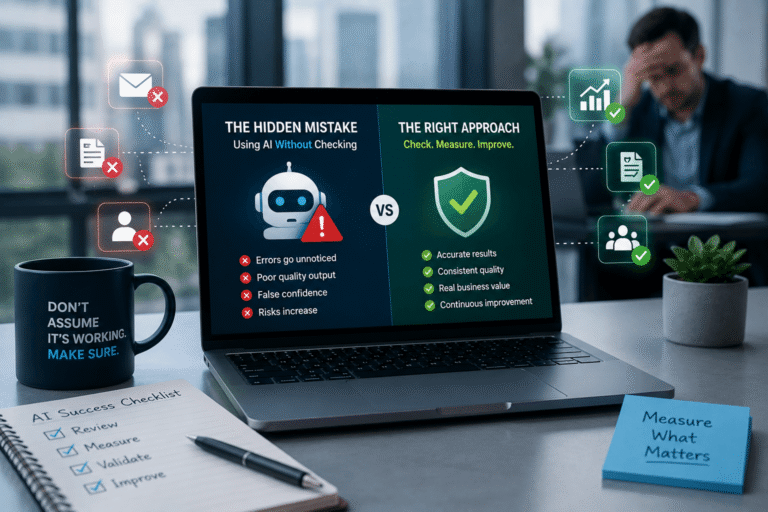
The AI Mistake Most Businesses Don’t Realize They’re Making
AI Strategy Most businesses using AI think they’re doing it right. Tools…
12 Aug, 2026
Agile software development methodology has become a cornerstone for many software development companies. Its iterative approach allows for flexibility and responsiveness, essential in today’s fast-paced technological landscape.
At its core, agile software development methodology emphasizes continuous testing via collaboration, customer feedback, and small yet rapid releases to ensure the best possible outcomes. This methodology is ideal for projects where requirements evolve over time.
The Agile Manifesto is built on four key values that shape the approach to software development:
Popular agile frameworks include Scrum, which focuses on iterative progress through sprints and roles like Scrum Master and Product Owner; Kanban, which emphasizes visualizing workflow and continuous delivery; Extreme Programming (XP), which stresses technical excellence with practices like pair programming; and SAFe (Scaled Agile Framework), designed to scale agile practices across large enterprises, amongst many others.
This initial phase sets the stage for the entire project. It involves:
This provides a clear roadmap, ensuring that the entire project is strategically aligned with the desired goals.
During the inception phase, the focus is on designing the architecture and developing initial prototypes. This phase involves:
The focus during inception is to outline a high-level architectural strategy rather than produce extensive documentation as the detailed design elements will be refined during the development phase.
Also known as development, this phase is broken into sprints, wherein the team works with highly-collaborative, test-driven design approach. This typically includes:
Continuous collaboration and integration are key in this phase, allowing the team to address issues promptly and refine the product incrementally.
This phase, as the name suggests depicts successful deployment of the software but also includes:
Post-deployment, the product enters the maintenance phase. This stage focuses on ongoing support and enhancements to keep the software running smoothly so that the deployed system remains effective and valuable to users. This phase involves:
Eventually, the product may reach the end of its lifecycle. In the retirement phase, the product is phased out and replaced by newer solutions. This phase includes:
When it comes to agile software development methodology, Stigasoft stands out as a trusted partner. Our team comprises certified agile scrum masters with a proven track record of delivering high-quality software solutions. Our adaptive Business Excellence Model adheres to industry standards and best practices, such as ISO 9001:2015 and CMMI Dev v 1.3, ensuring that our processes and deliverables meet the highest quality benchmarks.
With our agile approach, you can trust us to deliver solutions that drive business growth and innovation. Don’t wait, schedule a call with an expert today!
Artificial IntelligenceAI Strategy Most businesses using AI think they’re doing it right. Tools…
12 Aug, 2026 Artificial Intelligence
AI Strategy & Business Transformation AI tools are becoming easier to access,…
12 Aug, 2026 Generetive AI
Planning to use generative AI in your business? This rapidly evolving technology,…
24 Apr, 2025Global Clients Worldwide